
How you pay for a vacation rental decides what you can do if something goes wrong. Some payment methods give you ways to dispute a charge or recover money; others are almost impossible to reverse. This guide compares common payment methods from a guest’s point of view and explains why paying through the booking platform matters.
Key takeaways
- Paying by credit card through an established booking platform generally gives guests the most protection.
- Wire transfers, gift cards, cryptocurrency and payment-app transfers to strangers are the methods scammers prefer.
- Federal law gives credit card users a set time to dispute billing errors in writing.
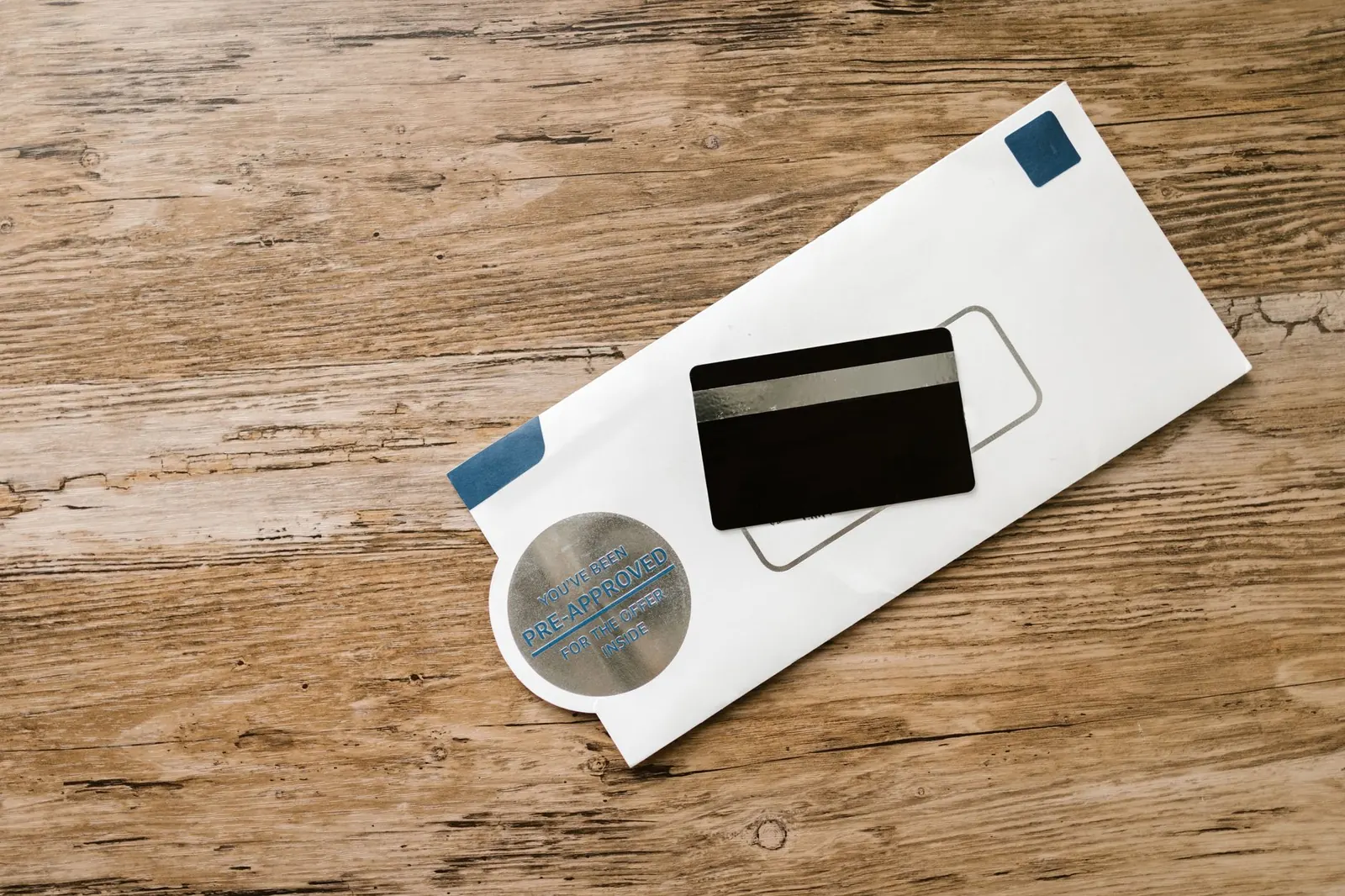
Why the payment method matters
If a rental is not as described, is canceled by the host or never existed, your options depend on how you paid. Booking platforms have their own policies for guests. Credit cards have federal protections for billing errors. Cash-like methods usually have none. Choose the method before you book, not after a problem appears.
Credit card through the platform
Paying by credit card inside a booking platform keeps the transaction on record in two places: the platform and your card issuer. According to the Consumer Financial Protection Bureau, the Fair Credit Billing Act lets you dispute certain billing errors, such as charges for things you did not receive, if you write to the card issuer within 60 days after the first statement showing the error. Platforms may also offer their own help with problems.
Debit cards and bank transfers
Debit cards take money directly from your bank account, and dispute rights differ from those for credit cards. Getting money back can take longer, and in the meantime your account balance is lower. Bank transfers to individuals can be hard to reverse. If you use a debit card, do so inside the platform.
Payment methods compared
| Method | Can you dispute it? | Guest risk |
|---|---|---|
| Credit card via platform | Platform policies and federal billing-error rights | Lowest |
| Debit card via platform | Platform policies; different bank rules | Low to moderate |
| Bank or wire transfer to host | Often hard or impossible | High |
| Gift cards, crypto, payment app to stranger | Rarely | Very high |
Which method fits
For most guests, a credit card through an established platform is the best balance of convenience and protection. If you book directly with a host or property manager you already know and trust, a credit card payment is still better than a transfer. Avoid cash-like methods with anyone you have not dealt with before.
Tip: Save the confirmation email, the price breakdown and the listing screenshots in one folder. If you ever need to dispute a charge, you will have everything in one place.
Deposits and card holds
Some rentals place a temporary hold on your card for a security deposit instead of charging it. A hold reduces your available credit until it is released. Ask when the hold will be placed and released, and check your statement after the stay. If a deposit is charged rather than held, confirm how and when it will be refunded.
Payment red flags
- A request to pay a discount price outside the platform.
- A new payment link sent by email or text after you booked.
- Instructions to pay by gift card or cryptocurrency.
- A request to split payment across several methods or people.
- A deposit that must be sent to a personal account.
Booking directly with a property manager
Some guests book directly with established property management companies to avoid platform service fees. That can be legitimate, but check that the company is real: look for a physical office address, a working phone number and independent reviews. Pay by credit card rather than transfer, and get a written rental agreement that states the total price, cancellation terms and deposit rules before you pay.
Common mistakes
The most common mistake is agreeing to pay outside the platform to save a small fee. Another is waiting too long to raise a problem, which can run out dispute deadlines. Guests also sometimes forget to check that a deposit hold was released. Set a reminder to check your statement after the stay.
Frequently asked questions
What is the safest way to pay for a rental?
Generally a credit card through an established booking platform.
How long do I have to dispute a credit card billing error?
Under the Fair Credit Billing Act, you write to the card issuer within 60 days after the first statement that shows the error.
Why do scammers want gift cards or wire transfers?
Because those payments are fast and very hard to trace or reverse.
Warning signs are covered in Vacation Rental Scams: Warning Signs Every Guest Should Know. After a stay, see How to Dispute a Vacation Rental Charge.